

Baking a cake is not a hard thing to do but it needs some planning and organization. The steps involved in making a cake varies significantly depending on the type of the cake and the recipe that you want to follow. However, just keep the following points in mind to while you bake a cake.
1. Read the recipe thoroughly
This is obvious; but still some cakes in particular have certain requirements that you have to pay attention to. For example; you have to make sure that you maintain a certain temperature for a particular time. If you have to mix butter with sugar, and you realize that you had to soften it before mixing; moreover, you realize that here is no time for that; as it will affect the taste and quality of the cake. then you need to see alternates way to handle this situation. This is why; it is important to read the instructions properly before you start.
2. Gather the ingredients and make sure that the temperature is correct
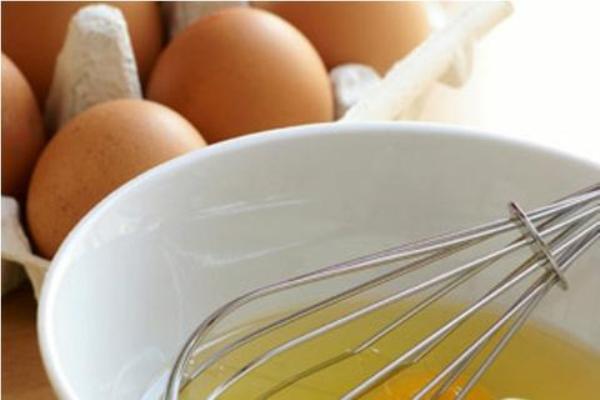
Assemble all the ingredients and the equipment on the kitchen counter before you begin the task. Ensure that they are at the appropriate temperature. This is especially essential for eggs and butter. Keep the eggs at room temperature; as they will help to maintain consistent temperature of the batter. Soft butter also helps in the making of a smooth batter and also a lofty cake.
3. The oven should be heated beforehand
Before preparing the batter for the cake, the oven should be preheated. Once the batter is ready, it should not be left at room temperature for more than 10 minutes; as it will not respond properly to the heat of the oven. It will neither rise correctly if the oven continues to warm up after the pan has been positioned on it. Be careful not to burn your cake by placing the rack in the center of the oven for a layered cake or in the lower third for a tube cake so that the pan top is not very close to the oven top.
4. Keep your equipment ready
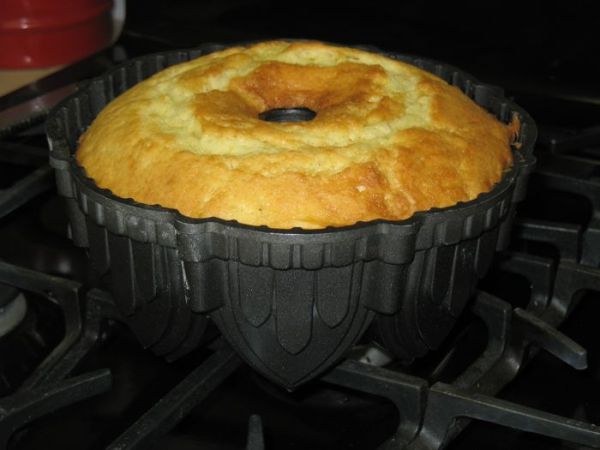
In order to make sure that your prepared cake has the proper shape, it is very important to ensure that it comes out of the pan as a whole. The most usual way to do this is to coat the pan with butter. The specifics will however vary depending upon the type of cake. For a layer cake, coat the inside of the pan with soft but not melted butter with the help of a brush. For the butter cake, use Bundt pan for baking and then coat the buttered surface with dried bread crumbs while tapping the upturned pan to remove any surplus. Immediately, follow with a quick coat of cooking oil to ensure that the cake doesn’t stick.
5. Make the batter
The guidelines for making the batter will be different for different cakes. For butter cakes; the ingredients will generally be combined by using the creaming method. For sponge cakes; the eggs will normally be beaten and then folded in. In order to get the appropriate texture, make sure that you follow the instructions properly; before pouring the batter into the pan for baking.
6. Check if done
To test whether the cake is prepared or not insert the knife into the center of the cake, if you find some crumbs attached to the knife, your cake is ready. If you still find batter on the knife, the cake is not yet ready.
7. Allow the cake to cool
Put your cake on a rack where there is even air circulation so as to allow natural cooling. The cake is generally left to cool on its baking pan. After cooling, invert the cake on the platter, turn the pan over and lift the cake off.
8. Finish the cake
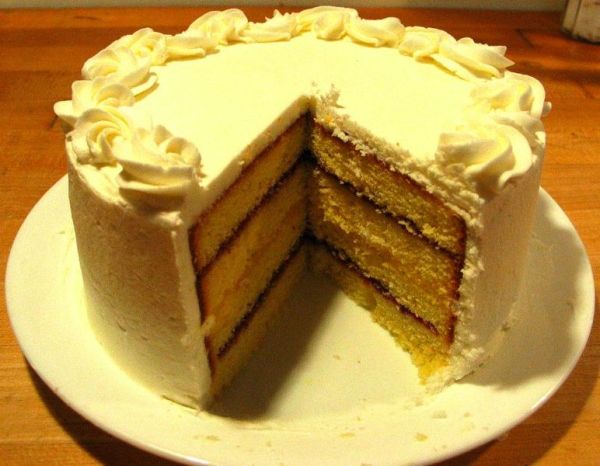
There are many options for finishing the cake such as, fillings, glazes and frostings. Pound cakes are finished when they come out of the oven and donât need any decorations at all. For other cakes, dusting the cake with simple powdered sugar is all that is required. You can even adorn the cake with roses petals and leaves piped using marzipan or buttercream.
Quick ways to soften butter up for baking
It often happens that while you prepare your favorite cake and when the time comes to add butter, you are left with a hard frozen lump, and then you go haywire thinking about how to melt butter quickly so that your cake batter is not kept stored for a long time. Here are some easy buttery tips that allow you to melt butter in a second’s time. The next time you forget to melt butter, don’t forget that help is on your fingers.
1. Quickly grate the frozen butter bar with the help of a grater. Now keep the grated butter in room temperature. The grated butter bar will melt in no time and you are left with creamy smooth butter.
2. Often you need a particular amount of butter for cooking, then cut out the portion according to quantity specified that you need for cooking and rest it at room temperature. Melting a small amount of butter is easier than melting the whole butter bar.
3. Use the method of double melting. It is also used to melt chocolates. In this method, you need to have a large sized saucepan of water, in which you can fit a bowl of frozen butter. Boil the water and then place the bowl of butter in the boiling pan. The butter will melt from the steam released of the boiling water and within seconds the frozen bar will disappear to give way to soft fluffy and creamy butter.
4. Pound the butter using a rolling pin. Place it in a ziplock bag or wax paper and pound it with your whole energy, till the butter flattens. Rest it sometime at room temperature and it will soften up.
5. You can bring your blender or mixer to work while softening butter. Place the butter in a bowl and use the blender to soften it.
6. Microwave the frozen butter. For this, place the frozen butter chunk in a microwave safe bowl. Place it in the microwave oven. Set the power level to maximum and microwave on high heat for just ten seconds. Your frozen butter will now appear in creamy form and in case you want to have it in liquid form, then microwave the frozen one for a little long as say twenty seconds.
7. Cut the butter into small bite-sized chunks and spread it on a plate. Now, keep it at room temperature. The butter will melt. You can also melt butter by cutting bite-sized chunks and melt it using the double-melting method.
8. Another easy method would be to use your butter curler if you have one. Heat the butter curler by placing it in warm water. Then run it over the butter bar. It will produce creamy curls.